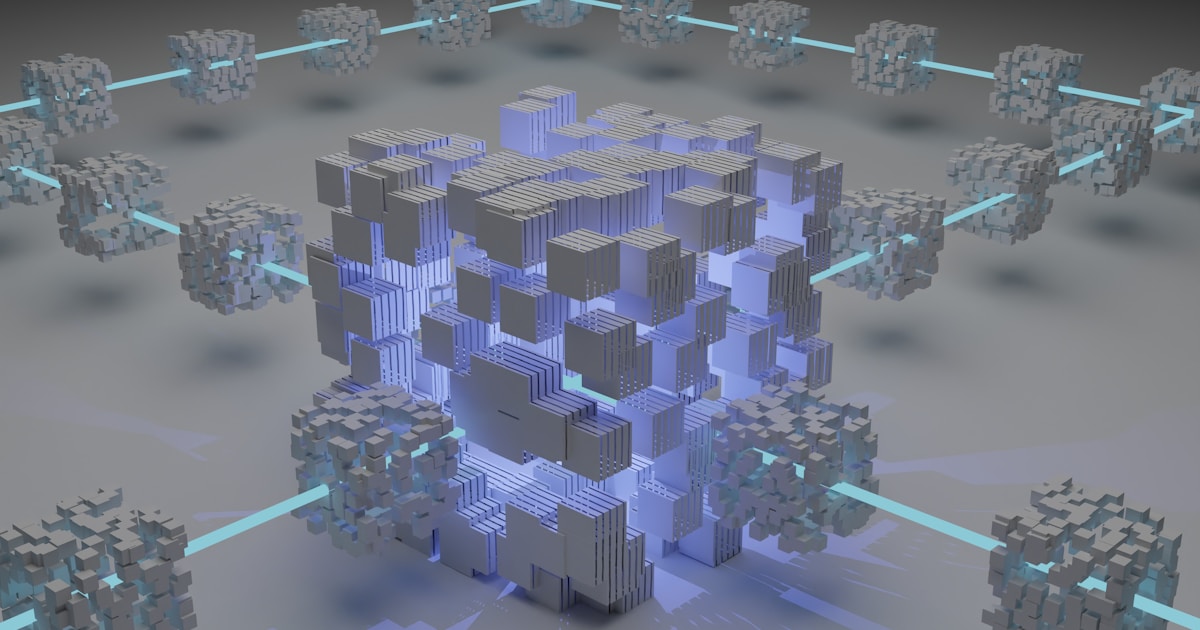
What is Blockchain?
Blockchain is a distributed ledger technology that records transactions across many computers in a way that the registered transactions cannot be altered retroactively.
How Blockchain Works
- Transaction Initiation: A user initiates a transaction
- Block Creation: The transaction is grouped with others into a block
- Validation: Network nodes validate the block through consensus
- Chain Addition: The validated block is added to the existing chain
- Completion: The transaction is complete and immutable
Key Components
Blocks: Containers for transaction data Chain: The sequential link between blocks Nodes: Computers that maintain the network Consensus Mechanisms: Rules for validating transactions
Types of Blockchain
Public Blockchains
Open to anyone, fully decentralized (Bitcoin, Ethereum)
Private Blockchains
Restricted access, controlled by organizations
Consortium Blockchains
Shared control among multiple organizations
Applications Beyond Cryptocurrency
- Supply chain management
- Healthcare records
- Voting systems
- Real estate transactions
- Digital identity verification
The Future of Blockchain
Blockchain technology continues to evolve with improvements in scalability, interoperability, and energy efficiency, promising broader adoption across industries.


